Cultural journeys
Kalash Valley Festivals
Step into the four seasonal festivals of the Kalasha people in the valleys of Bumburet, Rumbur, and Birir — vibrant celebrations of music, dance, and tradition in the heart of the Hindu Kush.
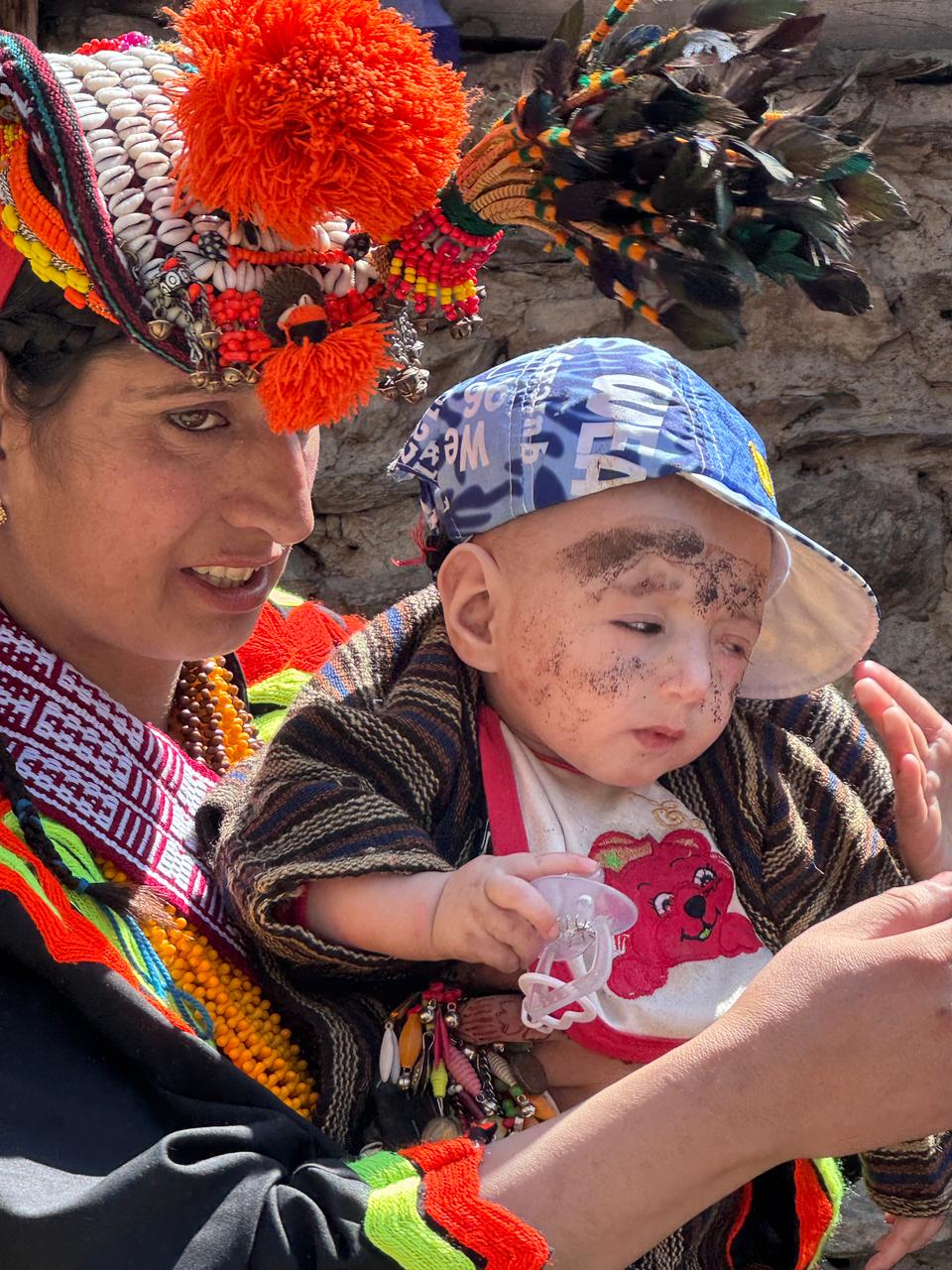
About the Kalash Valley Festivals
The Kalash Valley Festivals are celebrated by the Kalasha people living in the valleys of Bumburet, Rumbur, and Birir in the Hindu Kush mountain range of northern Pakistan. The Kalasha culture was recognized by UNESCO as an Intangible Cultural Heritage in 2018.
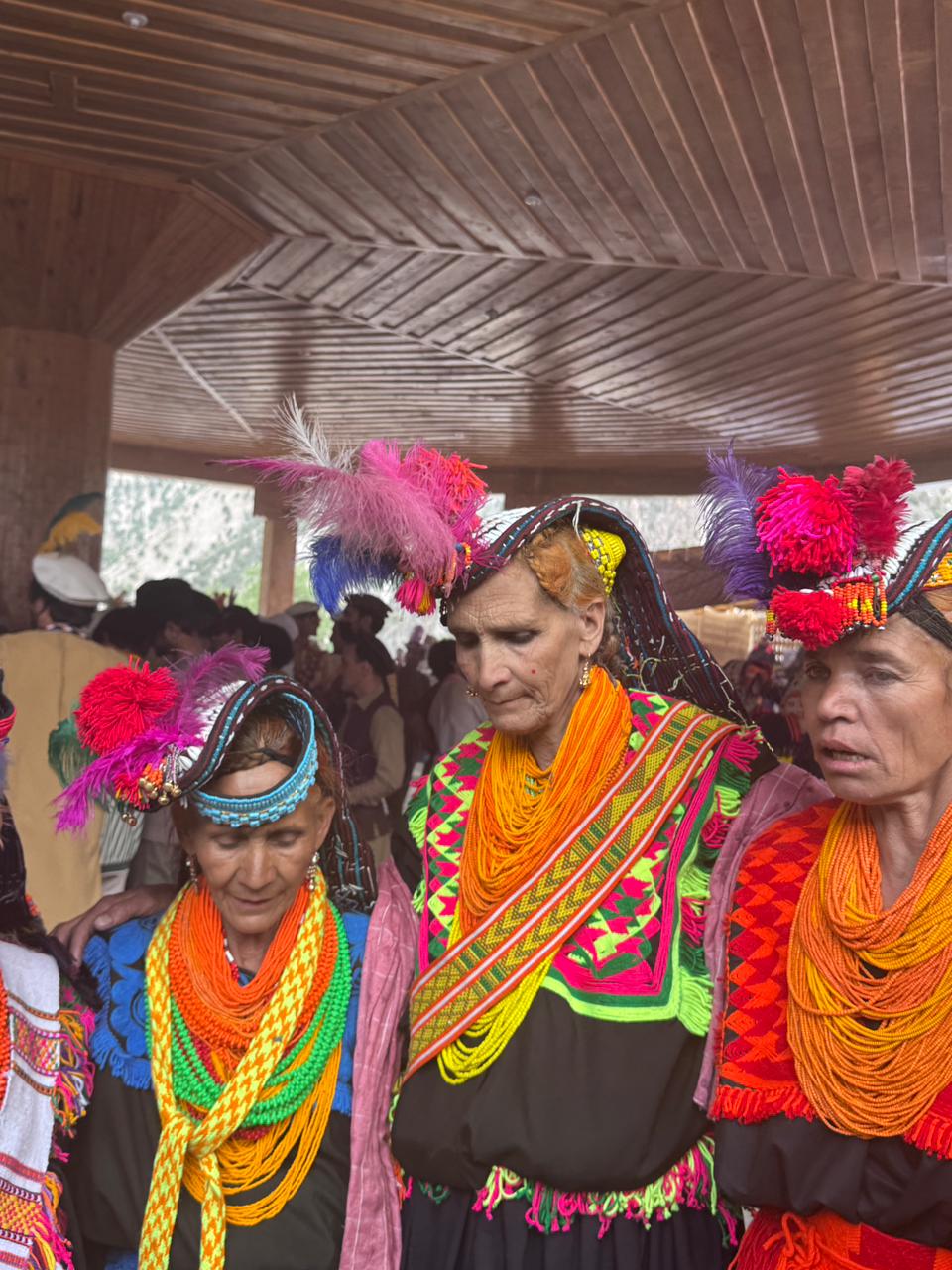
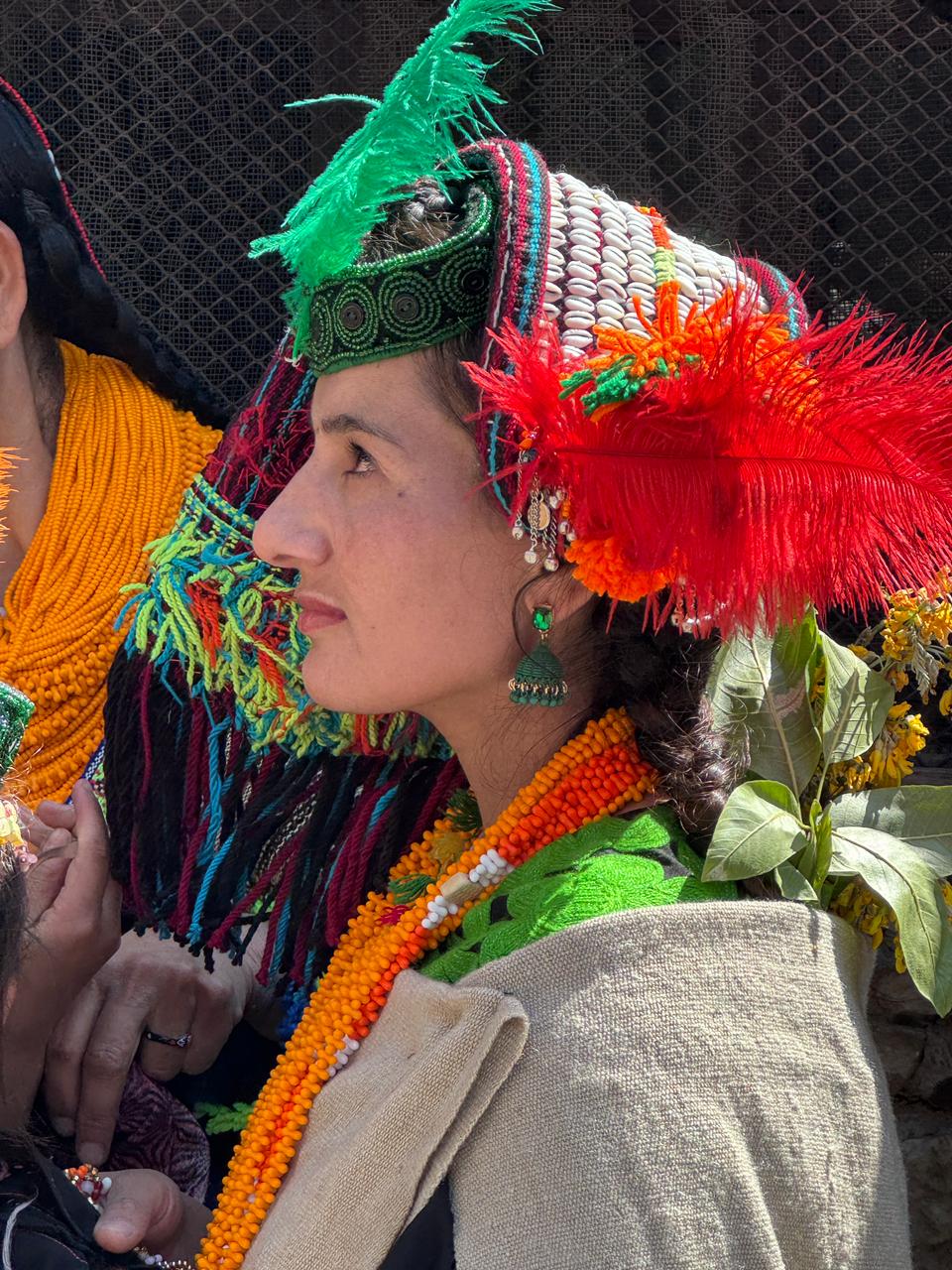
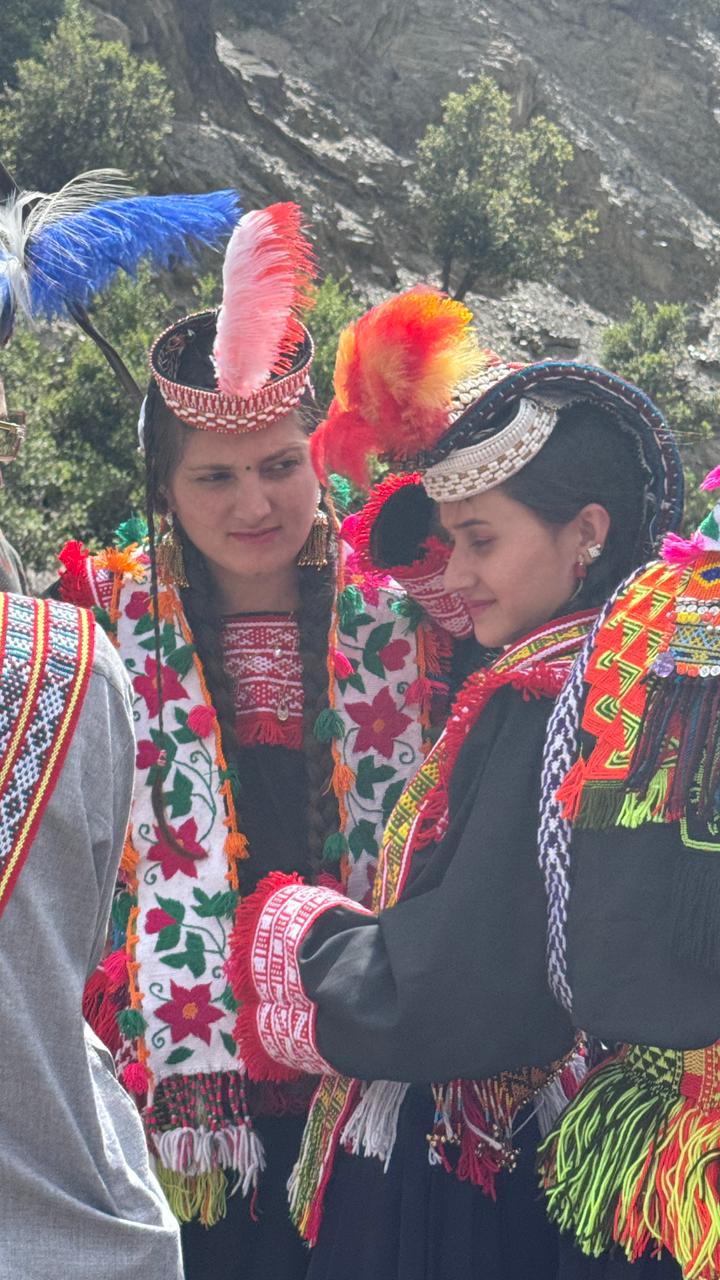
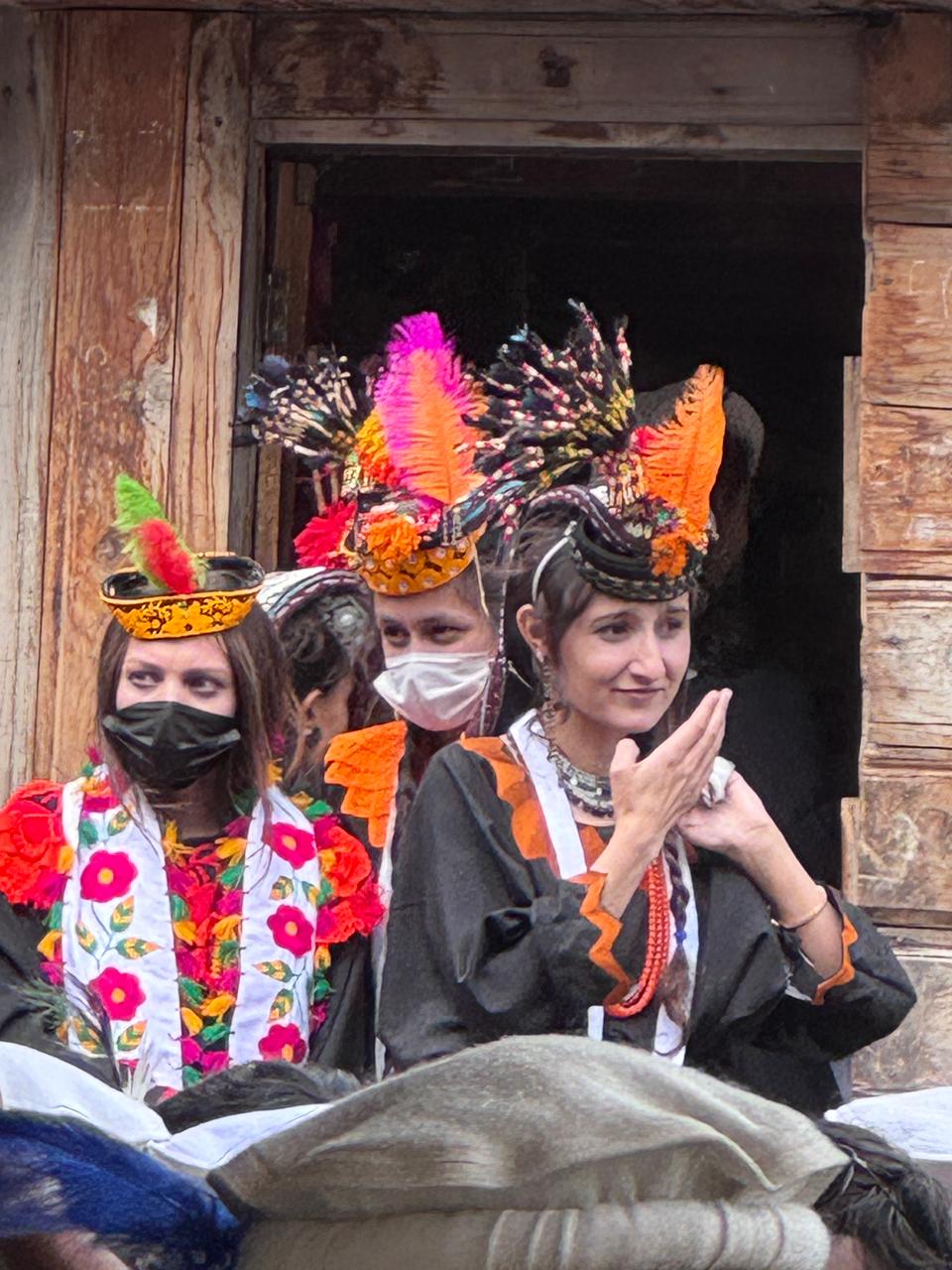
These festivals are known for their traditional music, colorful clothing, circle dances, and strong community participation. They provide visitors with an authentic opportunity to experience one of the world's most unique and well-preserved indigenous cultures.
- Region Bumburet · Rumbur · Birir
- Heritage UNESCO Intangible (2018)
- Festivals 4 across all seasons
Four festivals · four seasons
A year in the Kalash Valleys
Select a season to explore each festival, its cultural meaning, and what visitors can experience on the ground.
Spring Festival
Chilam Joshi Festival
Overview
Chilam Joshi is the most important spring festival celebrated by the Kalasha people of the Kalash Valleys in northern Pakistan. This vibrant cultural and religious festival marks the arrival of spring and is traditionally celebrated each year in May.
The festival is a time of joy, gratitude, and community gathering. Kalasha men and women dress in their traditional attire and participate in cultural ceremonies, music, singing, and dancing. The celebrations bring together families and visitors from across the region, creating a colorful and welcoming atmosphere.
Cultural Significance
Chilam Joshi is deeply connected to the Kalasha people's spiritual beliefs and agricultural traditions. The festival includes prayers and rituals seeking blessings for prosperity, healthy livestock, and a successful year ahead.
Young men and women participate in traditional dances accompanied by the rhythmic beats of drums and folk songs. Women wear their beautifully embroidered black dresses and distinctive headdresses decorated with shells, beads, and feathers.
Visitor Experience
Visitors can witness authentic Kalasha traditions, cultural performances, and religious ceremonies while exploring the scenic valleys of Bumburet, Rumbur, and Birir. The festival offers a unique opportunity to experience one of Pakistan's most distinctive indigenous cultures.
Summer Harvest Festival
Uchal Festival
Overview
Uchal is the summer harvest festival of the Kalasha people, celebrated during the warmer months of the year. The festival is a celebration of gratitude for nature's abundance and the successful harvest of crops and dairy products.
This festival reflects the strong connection between the Kalasha community and their natural environment, with celebrations focused on thanksgiving and communal harmony.
Cultural Significance
During Uchal, Kalasha families gather to offer thanks for the season's harvest. Traditional foods prepared from locally grown crops and dairy products are shared among community members.
The festival features traditional music, singing, and energetic dances that continue throughout the celebrations. Participants wear their traditional clothing, preserving customs that have been passed down through generations.
Visitor Experience
Uchal offers visitors a chance to experience Kalasha culture during the lush summer season when the valleys are at their most beautiful. Travelers can enjoy cultural performances, local hospitality, and breathtaking views of the Hindu Kush mountains while learning about the traditions of the Kalasha people.
Autumn Festival
Phool Festival
Overview
The Phool Festival is an autumn celebration observed by the Kalasha community during September. The festival marks the changing season and reflects the community's appreciation for nature and the agricultural cycle.
As the valleys begin to transition into autumn colors, the festival provides an opportunity for social gatherings, cultural activities, and traditional celebrations.
Cultural Significance
The festival brings together members of the Kalasha community through music, dance, and traditional ceremonies. It serves as a time for cultural expression and reinforces the community's strong connection to its heritage.
Traditional songs, drum performances, and circle dances form an important part of the festivities. Participants proudly wear their distinctive traditional clothing and jewelry, showcasing the unique identity of the Kalasha people.
Visitor Experience
Visitors attending the Phool Festival can experience the beauty of the Kalash Valleys during autumn while witnessing traditional cultural celebrations. The event provides excellent opportunities for cultural immersion, photography, and interaction with one of the world's most fascinating indigenous communities.
Winter Festival
Choimus Festival
Overview
Choimus, also known as the Winter Festival, is one of the most significant religious celebrations of the Kalasha people. Held during December, it marks the arrival of winter and the end of the agricultural year.
The festival is characterized by religious ceremonies, traditional rituals, and community celebrations that have been practiced for centuries.
Cultural Significance
Choimus holds deep spiritual importance within Kalasha culture. The celebrations include prayers, rituals, traditional music, and communal gatherings that strengthen social bonds within the community.
Throughout the festival, participants engage in singing, dancing, and ceremonial activities. The vibrant traditional attire worn by Kalasha women and the rhythmic sound of drums create a unique and memorable atmosphere.
Visitor Experience
For travelers, Choimus offers a rare opportunity to witness ancient winter traditions in the snow-covered valleys of the Hindu Kush. The festival provides insight into the religious beliefs, customs, and cultural heritage of the Kalasha people while showcasing the beauty of the region during winter.
Travel with us
Plan a guided journey to the Kalash Valleys
Our team can arrange transport, permits, accommodation, and a local cultural host so you can experience these festivals respectfully and comfortably.
Talk to our team